


The Safest Way To Use a Generator at Home
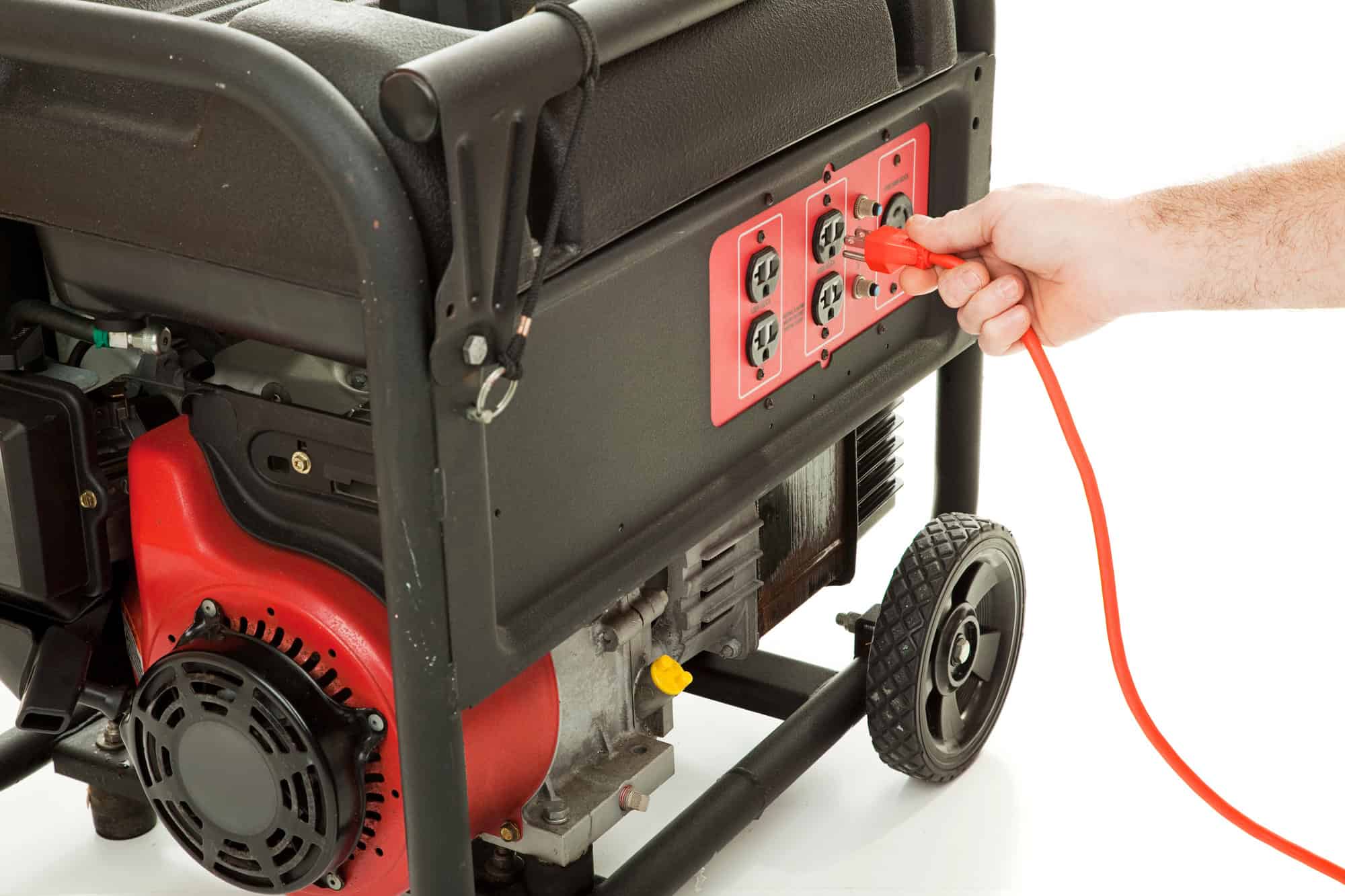
When the power goes out, a generator can keep your home running.
But it also brings serious risks if it’s not used correctly. The main hazards include carbon monoxide poisoning from engine exhaust, electrical shock or electrocution, and the potential for fire. These guidelines will help you use a generator safely and reduce the chance of damaging your home.
1) Use the right generator for your needs and follow the manufacturer’s instructions. Overloading a generator can cause overheating or mechanical failure.
2) Never run a generator indoors or in any enclosed area. Place it at least 15 feet away from your home and keep it clear of windows and doors to prevent carbon monoxide from entering the living space.
3) Do not operate a portable generator in the rain or with wet hands. Keeping the unit dry is essential to reduce the risk of electrocution.
4) If you expect to rely on a gas-powered generator for a longer period, store fuel safely in approved containers. Keep it away from living areas and any fuel-burning appliances.
5) Allow the generator to cool before refueling. Adding gasoline to a hot engine can cause a fire or result in burns.
6) Plug appliances directly into the generator or use a heavy-duty extension cord. Do not plug the generator into a wall outlet. This practice, called backfeeding, can endanger utility workers, neighbors, and anyone inside your home.
7) Because carbon monoxide is a serious risk, make sure your CO alarms are working properly. Test the batteries so you can detect carbon monoxide quickly and get outside if needed.
8) Check on your generator periodically while it is running, and never leave it operating when you are not home.
If you are unsure about installation or setup, contact a licensed electrician. Professional guidance is the safest option when working with a generator.
The Consumer Product Safety Commission reports that generator-related incidents cause about 50 deaths each year. Safe operation is essential whenever you use one.
Protect Your Property
Speak with your independent insurance agent at Risk Strategies ICNJ to review your home insurance coverage. They can help ensure you have the right protection in place if something unexpected happens while using a generator.