


How to Winterize Your Home from Top to Bottom
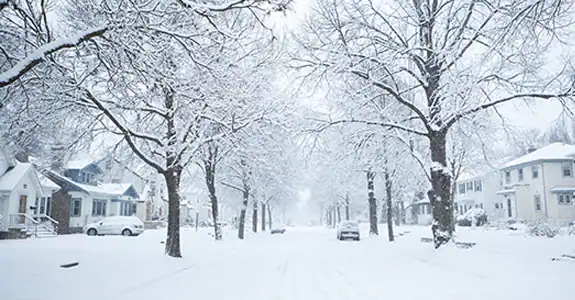
Winter weather can be tough on your home. Freezing temperatures, heavy snow, and strong winds can all cause expensive damage if your property isn’t prepared. Taking time to winterize your home now can help protect it, reduce repair costs, and even lower your heating bills.
Below are key areas to inspect and simple steps you can take to get your home ready for the cold season.
1. Inspect the Chimney
If you use a fireplace or wood stove, have your chimney professionally inspected before winter. Look for cracks, damaged bricks, or loose flashing.
A chimney cap keeps moisture, snow, and small animals out, while a waterproof sealant can help protect against long-term weather damage.
2. Examine the Roof and Gutters
Your roof is your first line of defense against snow and ice. Check for missing or damaged shingles and have repairs made quickly if you spot any issues.
Clean out gutters and downspouts to prevent ice dams and water buildup. This helps direct melting snow safely away from your home.
3. Evaluate the Attic
Poor insulation or air leaks in the attic can lead to heat loss and higher energy bills. Replace worn or damaged insulation, seal any cracks or openings, and confirm that vents and fans are working properly.
A well-insulated attic also helps prevent ice dams from forming on your roof.
4. Check the Living Spaces
Inspect pipes under sinks and in colder areas like laundry rooms for exposure. Add insulation where needed to prevent freezing.
Weatherstrip doors and windows, install door sweeps, and reverse your ceiling fan direction to circulate warm air.
Finally, test your smoke and carbon monoxide detectors—winter heating increases the risk of both fire and CO buildup.
5. Assess the Garage
Cold air often seeps in through the garage. Check the door’s weather stripping and insulation, and seal cracks in walls or around outlets.
If you have plumbing in the garage, make sure those lines are insulated. You can also apply an epoxy coating to the floor to protect against moisture damage.
6. Inspect the Exterior
Trim back trees and branches near your roof or power lines to prevent storm damage. Close foundation vents, disconnect garden hoses, and drain sprinkler systems.
If you have a backup generator, make sure it’s serviced and ready to run in case of a power outage.
When to Start Winterizing
Early fall is the best time to start winterizing. The weather is still mild, and professional contractors are more available before the first freeze hits.
Starting early helps ensure your home is well-protected before winter storms arrive.