


Artificial Intelligence in Healthcare: Understanding the Privacy and Security Risks
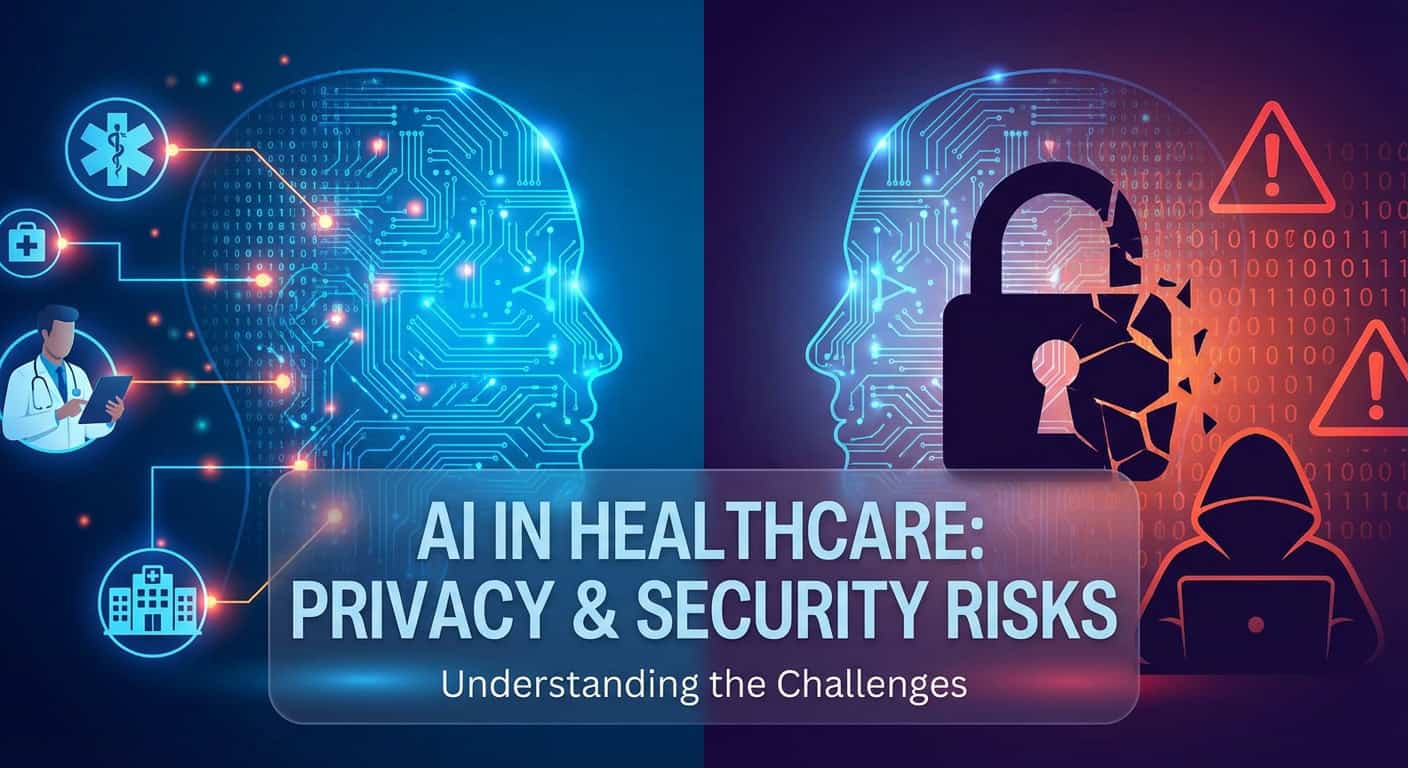
Artificial intelligence (AI) is transforming many industries, including healthcare. From improving diagnostics to streamlining administrative tasks, AI offers powerful tools to enhance patient care.
However, with these advancements come significant concerns around privacy and data security — especially in an environment where cyberattacks are increasing and protected health information (PHI) remains highly valuable to cybercriminals.
Why AI Creates New Security Challenges
Healthcare organizations already face growing pressure to secure large volumes of sensitive digital data while complying with federal and state privacy regulations.
AI intensifies these challenges because it relies on massive amounts of diverse data to function effectively, yet that same reliance increases exposure to potential breaches.
AI systems often require access to detailed patient records, imaging, billing information, and other confidential data. The more data involved, the greater the potential vulnerability if proper safeguards are not in place.
The Limits of Current Regulations
One of the biggest concerns surrounding AI in healthcare is that current privacy and security regulations were not designed with advanced AI capabilities in mind.
For example, traditional methods used to “de-identify” patient data may no longer be sufficient. In large, complex datasets, machine learning algorithms can potentially re-identify individuals using only a few data points. This creates a serious risk to patient privacy.
Additionally, AI systems themselves can be targets of cyberattacks. If compromised, these systems could threaten both patient safety and the integrity of healthcare data.
Ethical and Ownership Questions
Beyond security risks, AI raises important ethical considerations. Questions remain about where the line should be drawn between research use and commercial use of patient data.
There are also ongoing debates about who owns the intellectual property behind data-driven AI algorithms — the healthcare provider, the technology developer, or another party.
These unresolved issues highlight the need for clear standards and responsible oversight as AI becomes more integrated into healthcare operations.
What Healthcare Organizations Can Do Now
As AI adoption continues to grow, protecting patient privacy and securing digital data must remain a top priority.
Healthcare leaders, policymakers, AI developers, and cybersecurity experts will need to work together to identify vulnerabilities and modernize regulations so they remain flexible and relevant in an evolving technological landscape.
In the meantime, healthcare organizations can take proactive steps, including:
- Conducting thorough risk assessments before implementing AI systems
- Performing due diligence when selecting AI vendors
- Ensuring Business Associate Agreements (BAAs) are in place with any technology providers handling PHI
- Implementing strong access controls, including multi-factor authentication
- Incorporating anomaly detection tools to identify unusual system activity
These measures can help reduce exposure and strengthen overall data security.
Staying Ahead of Emerging Risks
Artificial intelligence offers tremendous potential in healthcare, but it must be implemented responsibly. As technology evolves, so must risk management strategies.
At Risk Strategies ICNJ, we understand that emerging technologies create new exposures. If you have questions about how your organization’s cyber liability coverage responds to AI-related risks, our team is here to help you review your coverage and ensure your protection keeps pace with innovation.